Best Viewed in Netscape Navigator
I was born in the 80s, which means my teenage years collided perfectly with the early days of the internet. Before the algorithm-driven feeds, before the endless scroll of social media. Back when the web felt like a wild frontier, filled with digital campfires built by anyone with a bit of curiosity and a lot of free time.
Back then, if you wanted to share something with the world, you built your own website. Maybe it was on Geocities, Angelfire, or Tripod, and maybe it looked like a neon carnival with animated GIFs, spinning “Under Construction” signs, and MIDI files blasting in the background. But that was the beauty of it: there was no template, no rigid standard, no pressure to look “professional.” The web was personal, chaotic, and gloriously unpolished.
Every site was a reflection of its creator’s personality. Some people poured their hearts into fan pages for their favorite bands, complete with pixelated banners and hand-coded HTML tables. Others made shrines to video games, cartoons, or just random stuff like their pet hamster. We weren’t trying to monetize our passions; we were just trying to express ourselves and maybe connect with a handful of strangers who stumbled across our page.
Today’s internet is sleek, uniform, and painfully optimized. It’s like every corner of the web has been sanded down and polished until all the weird edges are gone. Sure, it’s easier to share things now. You just upload a picture to Instagram or fire off a tweet. But the individuality is missing. Every webpage looks the same because we’re all playing inside someone else’s sandbox. Back in the 90s, your site was yours. Even if it looked like a disaster, it was your disaster.
This website is my little tribute to that era. Sure, I’m using modern tools, but the principle remains the same: just putting my stuff out there for anyone who cares to stumble upon it. No chasing ad revenue, no begging for likes, no marketing tricks. Just pure, unfiltered me—like the old days, when the internet felt like a scrapbook of souls.
Wrestling Wrestling Federation
I was raised in a Catholic household and taught to abhor violence, for nothing good has ever resulted from it except harm inflicted upon one’s fellow man. Yet I also grew up in the age of television, and through it discovered the World Wrestling Federation. The lessons about violence were turned on their head. I realized that violence may be wrong, that much is true, but it can also be extremely entertaining. Particularly when it involves half-naked, sweaty, muscular men hugging and pretend-slapping each other in the middle of a square ring.
Like most kids my age—especially in my country, where the WWF was practically the only game in town—Hulk Hogan and the Ultimate Warrior defined professional wrestling. We took our vitamins, prayed to Jesus, and comically flexed our non-existent muscles in unison with our musclebound heroes. But we discovered wrestling at a turning point. Hogan, Warrior, and their cartoonish gimmicks were on the way out. In their place came a new generation of heroes—perhaps smaller and less physically imposing, often still weighed down by over-the-top gimmicks, but with a sharper edge. What do you mean you still liked Hulk Hogan? That goody-two-shoes was boring. These new wrestlers weren’t exactly heroic most of the time, but they were fresh, rebellious, and—whether we admitted it or not—they became our heroes.
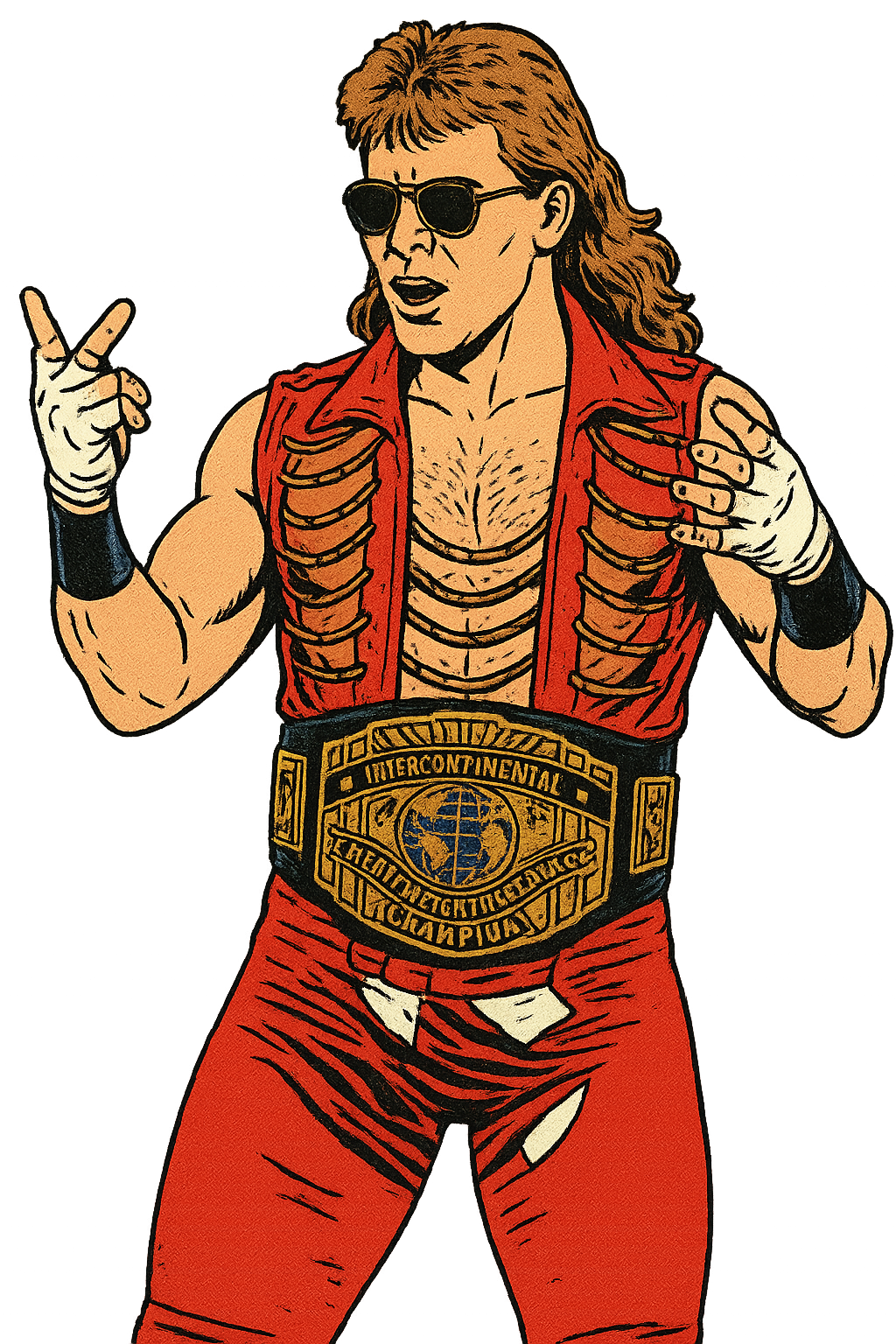
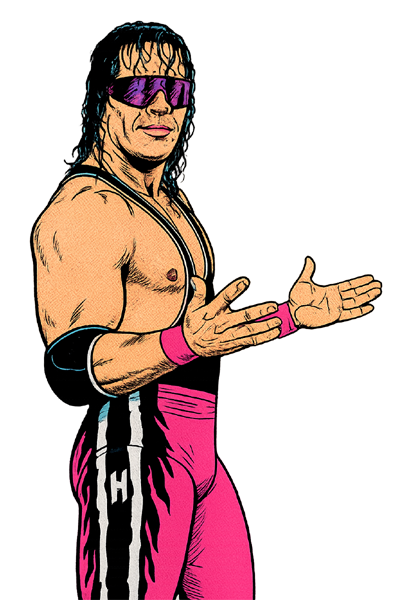
In my circle of friends, there’s a couple of wrestlers who are considered the cream of the crop. You were either a fan of one or the other. Before we grew up and fought each other based on our politics, we first learned how to divide ourselves based on whether you like Bret “The Hitman” Hart or “The Heartbreak Kid” Shawn Michaels.
Bret Hart was the straight-shooting, no-nonsense kind of wrestler. He wasn’t much for talking; he let his technical skills do the speaking. And the message was always the same: he would systematically wear you down, targeting a single body part until it gave way. True to his name, he was a Hitman who knew exactly where to strike. He was the ‘Excellence of Execution’—the best there is, the best there was, and the best there ever will be.
Shawn Michaels was a different story. Though every bit as athletic and skilled as Bret Hart, his moveset and persona couldn’t have been further from The Hitman’s. The Heartbreak Kid was cocky, flashy—the very definition of flamboyant. He was the perfect foil to Hart, and as the world later learned when the curtain was pulled back on the wrestling industry, the animosity between them felt so real because it was real. These two men fucking hated each other.
Of course, this was my era as a wrestling fan. It was a time that soon evolved into the even more rebellious ‘Attitude Era,’ driven by the likes of Stone Cold Steve Austin, The Rock, Triple H, and a parade of characters who thumbed their noses at authority and societal norms. For fans now nursing aching backs and balance issues, this was the peak of professional wrestling—its most audacious phase, brushing close to reality without ever fully surrendering the magic. Back then, the artificiality of wrestling was an open secret, one we could safely tuck away in the back of our minds. This was before the Internet, social media, and the obsession with personal lives shoved that artificiality in our faces, making suspension of disbelief not just difficult, but almost impossible.
Videogames
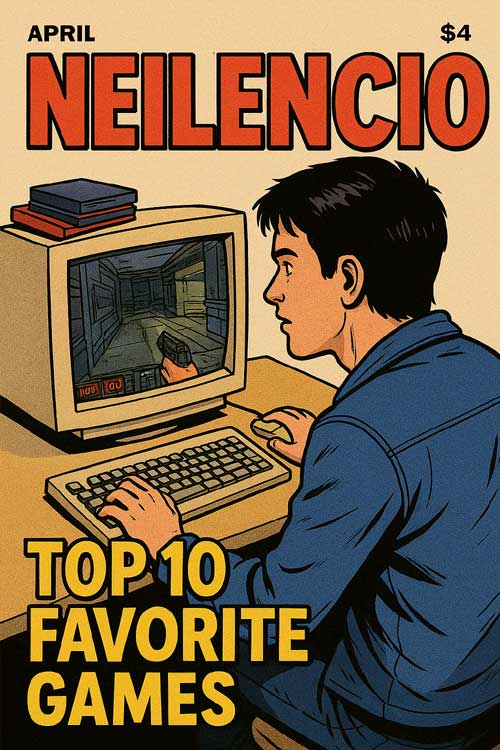
I grew up obsessed with video games in the same way other kids grew up obsessed with sports, except instead of developing hand-eye coordination or cardiovascular health, I developed an encyclopedic knowledge of which Nintendo cartridges would still boot if you spat in them just right.
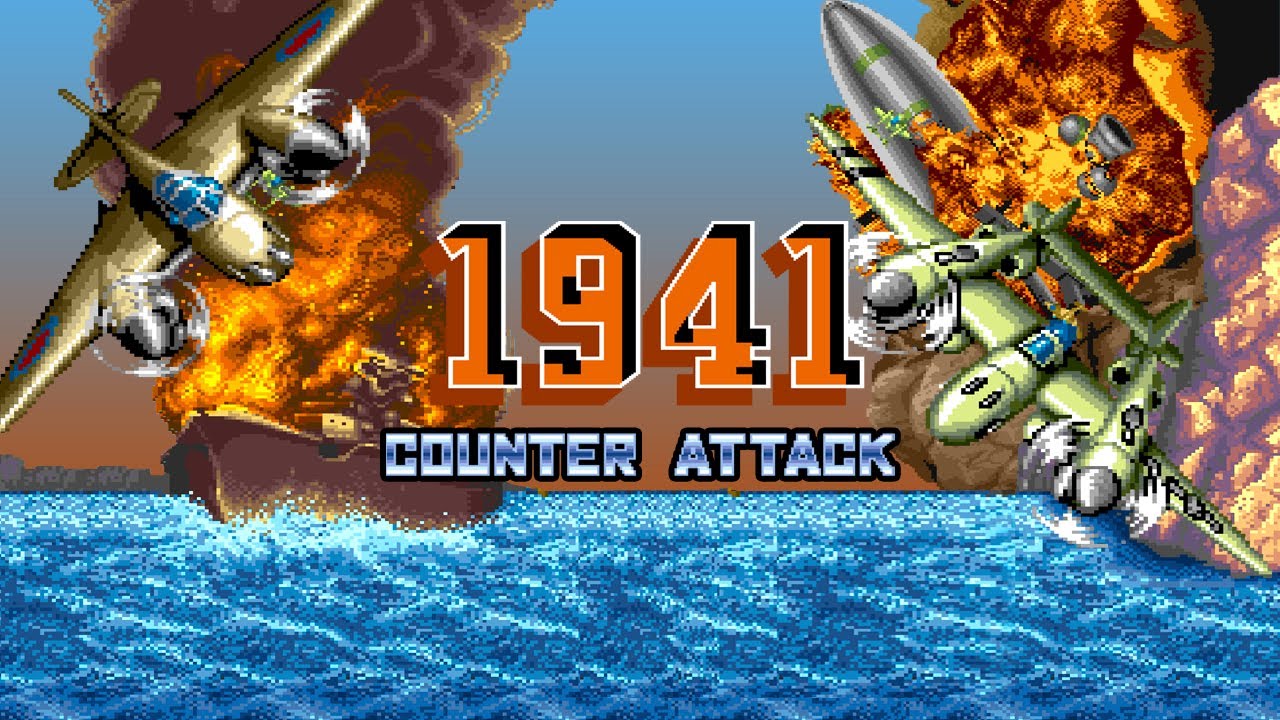
1941 is a video game that lets you relive the horrors of World War II. Commonly abbreviated as WW2, this global conflict lasted from 1939 to 1945 and is remembered as that one time the Allies defeated the Axis using nothing but a single Lockheed P-38 airplane and a roll of quarters. Peace was restored—at least until that idiot Ray-Ray beat your high score and signed his name as ‘ASS.’
Ray-Ray’s perfidious antics sparked another war that dragged on for two more years, eventually spilling over into the Chuck E. Cheese’s across the street. They had a Street Fighter II bootleg cab featuring a naked Chun-Li. Fun times.
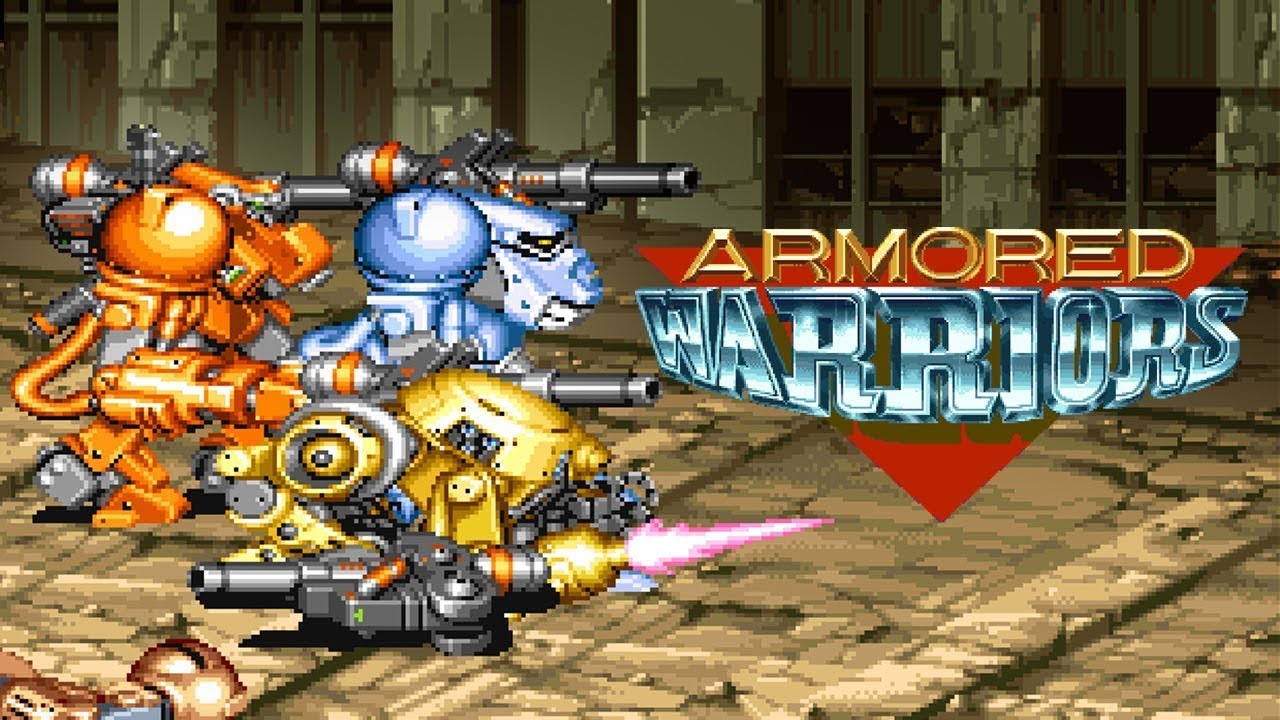
This is a beat ’em up game featuring giant robots kicking the shit out of other giant robots. You play as a giant robot, and the unfortunate opponents you annihilate along the way? Also giant robots. The only difference is a matter of perspective. That’s some real deep, introspective shit for an arcade game.
In Japan, the game is called Powered Gear: Strategic Variant Armor Equipment, which just proves the Japanese are better at naming things. You want to know what chicken nuggets are called in Japan? Globally Trademarked Edible Poultry Solutions™, Fuck You America.
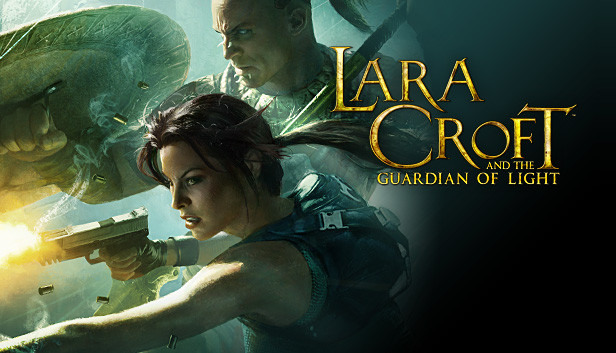
Lara Croft and the Guardian of Light is a game where instead of raiding tombs, you just guard lights.
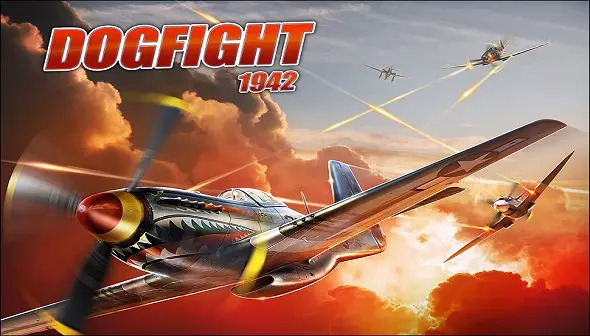
This is a game about the underground dog-fighting scene in 1942. I haven’t played it much because I love animals—mostly just the cute ones that do tricks. The rest can go screw. But shout-out to the ones that taste good.
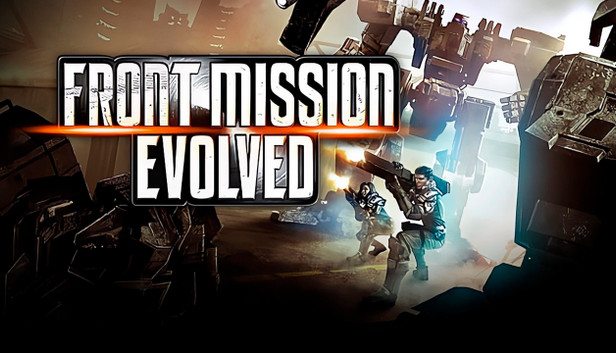
In this game, you are a soldier and your mission is to go to the front, but you’ve evolved from that. Because all the action is in the back.
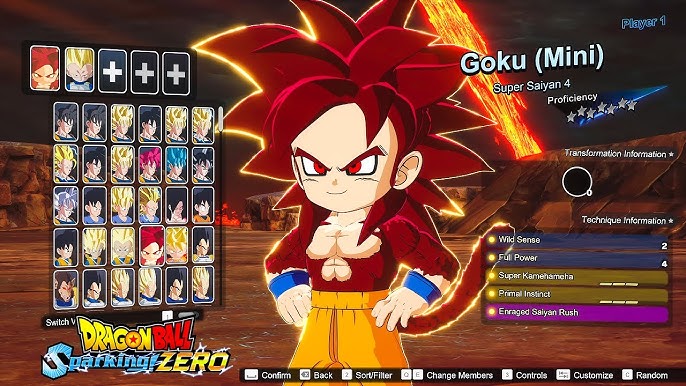
Get this if you are a fan of beating up young kids and collecting their balls for wishes.
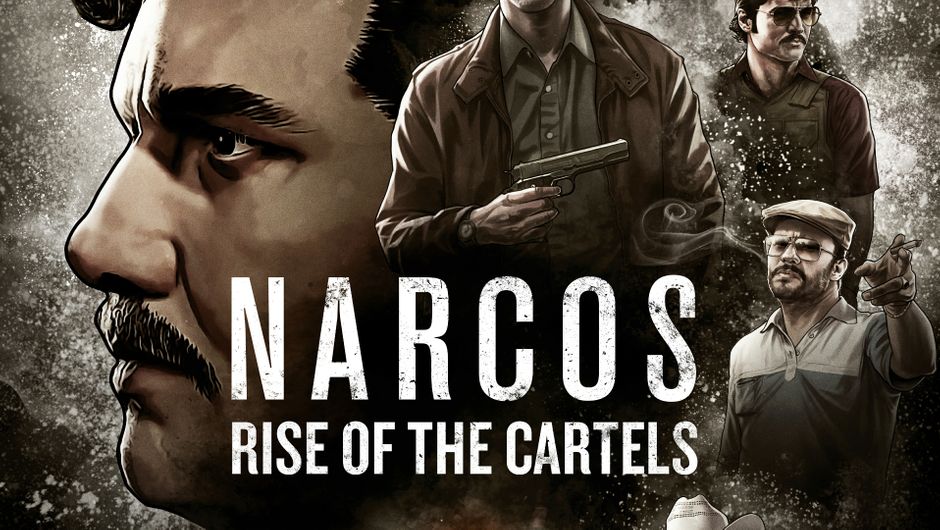
This is a game about the Philippines’ former president Ferdinand Narcos, best known for declaring Martial Law and speedrunning civil liberties straight into the ground. His oppressive rule was so impressive that historians now consider him the Tony Hawk of Extreme Human Rights Abuse.
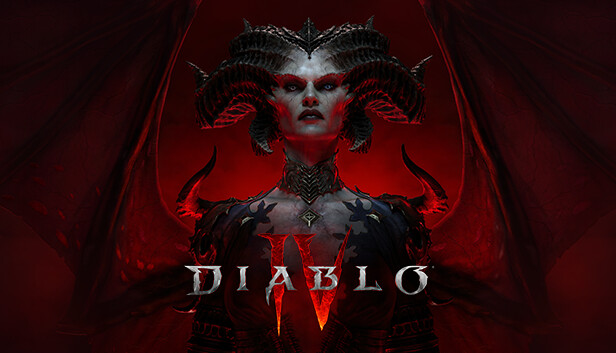
If you’re Christian, avoid this game. It says ‘Diablo’ right in the title—it’s about the devil. Play games that are about God, like God of War or God Eater.
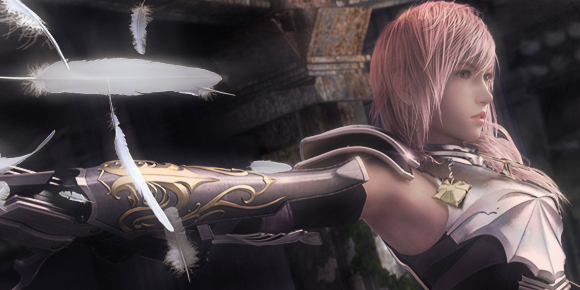
Highly recommended if you like Final Fantasy but want to replace friendship speeches and spiky-haired boys with 60 hours of a hot warrior chick aggressively showcasing her armpits.
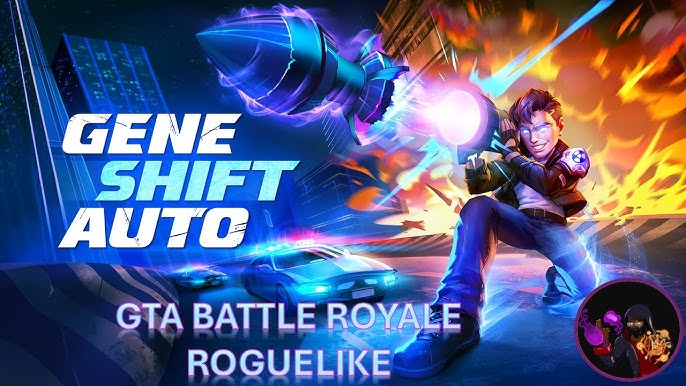
It’s like Grand Theft Auto, except you’re legendary stuntman and judoka Gene LeBell, and the mission is to put Steven Seagal in a headlock until he shifts his own pants. It is based on a true story and it speaks only of true things.
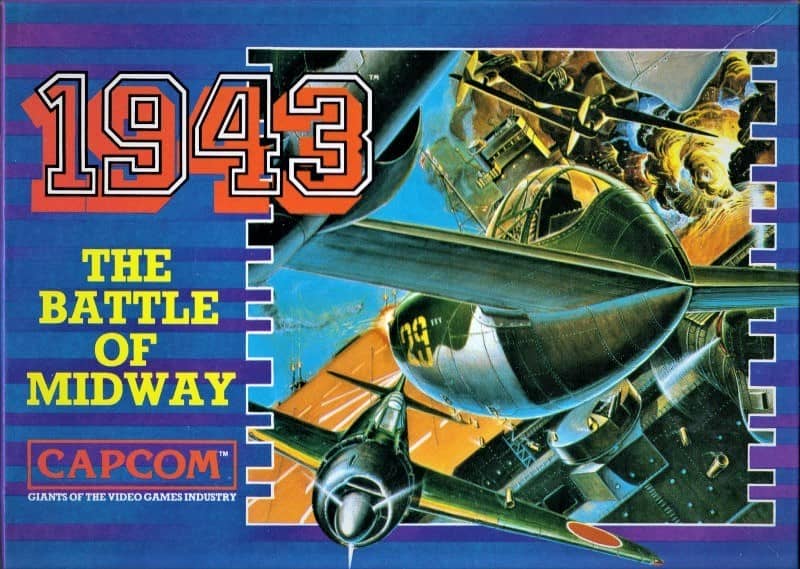
This is an enhanced version of 1941: Counter Attack. Like its predecessor, the game depicts the events of World War II. The big difference is that this time the story is told from the perspective of the Japanese, which means all the planes have spiky neon hair and ridiculously oversized boobs.
Movies
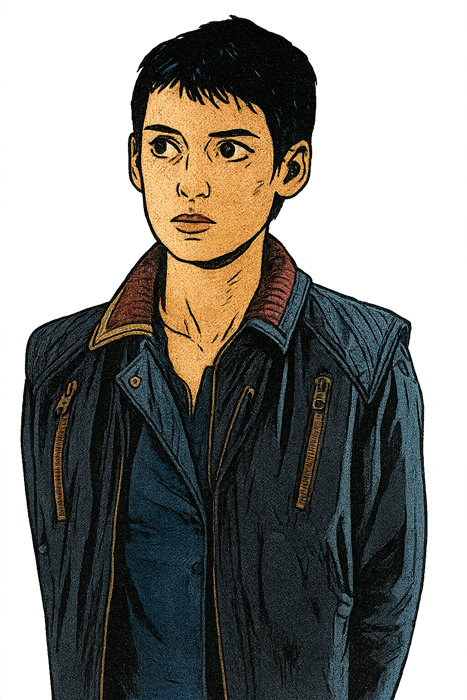
My interest in movies revolves around a single actress. If you were a boy growing up in the 1990s, you had exactly two options when it came to your budding sense of self. Option one: you realized you were gay. Option two: you realized you were in love with Winona Ryder. There wasn’t a third option. Pokémon didn’t count yet, and Lara Croft was still a suspiciously pointy collection of polygons. The spectrum of identity may be wide, but for one shining decade, it was lit almost entirely by the glow of Beetlejuice, Heathers, and Reality Bites.
And really, who could blame us? Winona Ryder wasn’t just a movie star; she was a cultural orientation. She had that thing—call it charisma, call it magnetism, call it “being the only person in the room who didn’t look like she was trying too hard.” She was smart, funny, slightly dangerous, and yet approachable in the way that made you believe if you just happened to sit next to her in algebra class, she might actually talk to you.
Meanwhile, young boys discovering they were gay were looking at the exact same Winona Ryder movies and thinking, “Yes, I want that haircut. I want that entire aesthetic.” And in truth, both groups were right. Winona transcended orientation. She was the universal language of confused adolescence.
Now, here’s the thing every ’90s kid knows but no one really says out loud: Winona Ryder never actually did a real nude sex scene. I mean, there were scenes. But they’re either done artistically or barely a few seconds long—the type of sex scenes that you can’t use for wanking off, which means they don’t count. And that’s probably for the best. Because what she gave us was something much rarer than scandal: she gave us longevity.
Think about it. For those of us slogging through puberty during the Clinton years, the absence of a definitive “Winona scene” turned into a kind of eternal promise. A promise that even now, with her well into her fifties and inevitably heading toward her sixties, we’d still be ready. Still waiting. Still perfectly happy to finally cash in that adolescent IOU. Not out of some base desperation, but out of a weird, lingering loyalty. She owes us nothing, of course, but if she ever decided to settle the account, we’d stand and salute like soldiers at roll call.
And this is where nostalgia gets funny. Because if you talk to anyone who grew up then, they’ll tell you their coming-of-age wasn’t about the big historical events, the dial-up internet, or the boy bands. It was about sitting in a dark room, staring at a flickering CRT, and deciding whether they were going to be the kind of person who secretly memorized every line of Edward Scissorhands or the kind who confessed to friends that maybe, just maybe, they also wanted Johnny Depp’s cheekbones.
Either way, Winona Ryder was at the center of it. She was the axis around which ’90s puberty spun. And honestly? She still kind of is.
May agimat ang dugo ko
A Romance Novel
by Neilencio
Mga Paboritong
Laro ni Neilencio
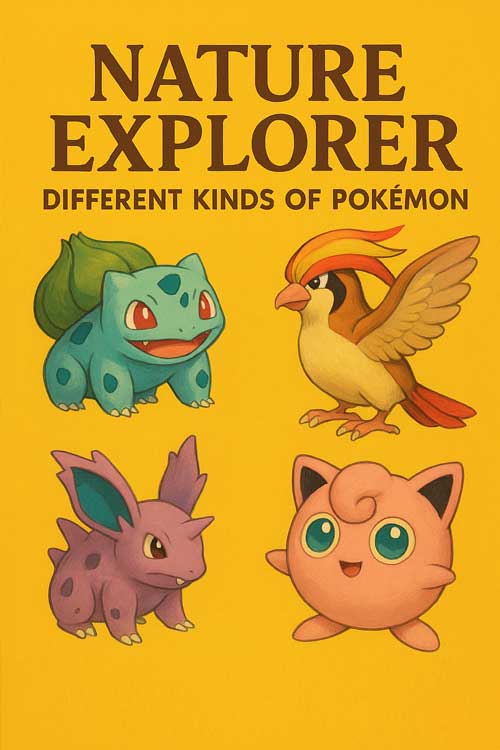
Iba't-Ibang Uri
ng Pokemon
Mga Paboritong
Pro Reslers